



Hawksbill turtle (with 3D animated model)
It is a large sea turtle widely distributed in tropical and subtropical waters around the world. The carapace presents a unique brown or black color with yellow or orange markings, hence the name "hawksbill turtle". The lifespan can reach 70 to 80 years, or even longer. It feeds on seagrass, algae, and other marine plants, and occasionally preys on fish and crustaceans. The breeding habits are very unique, usually returning from the ocean to the beach every 2 to 3 years to lay eggs. Female hawksbill turtles will come ashore at night, choose a suitable location to dig sand pits, and lay hundreds of eggs. After hatching, young turtles will quickly head towards the sea and begin their journey of survival.

Hawksbill turtle (juvenile)
The hawksbill turtle is a reptile belonging to the family Turtles and the genus hawksbill. The hawksbill turtle inhabits tropical and subtropical oceans. Most of the time in their lives, hawksbill turtles live alone, and they only meet for mating. The hawksbill turtle has strong migratory ability and a wide range of living environments. The hawksbill mainly feeds on coral reefs and also preys on some crustaceans, algae, and fish. Distributed in vast sea areas, mainly found in tropical regions of the Atlantic and Pacific Oceans. The crawling speed of hawksbill turtles is slow and they are easily hunted and killed by humans. The beaches that serve as nesting areas for hawksbill turtles are often destroyed, and the required years for sexual maturity are long, resulting in a low reproductive rate. Therefore, the population is extremely difficult to recover.

Popular Models

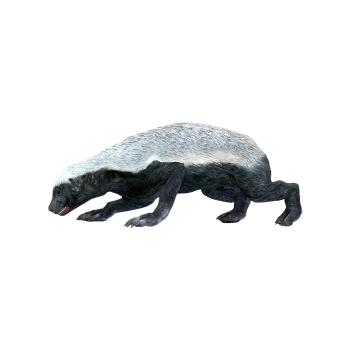
Honey Badger (3D animated model)
199 View
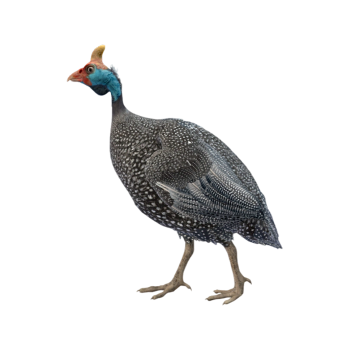
Guinea fowl (3D animated model)
168 View
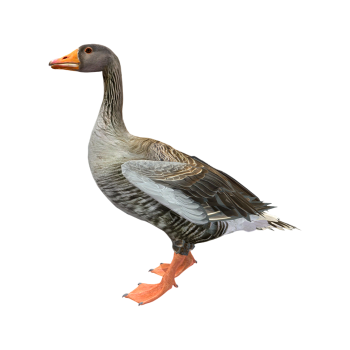
Wild Goose (3D animated model)
190 View
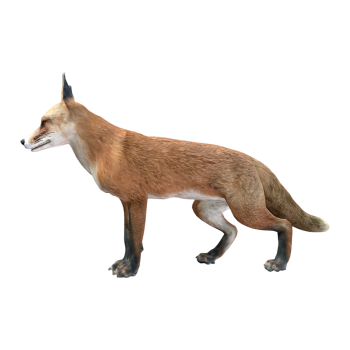
Red Fox (3D animated model)
158 View
Random Model
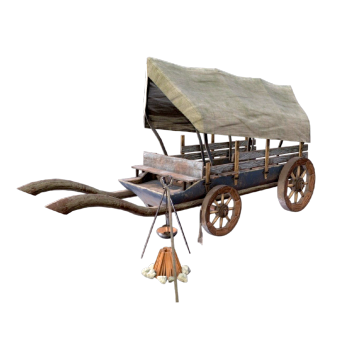
covered carriage
461 View

Stainless steel soup spoon
469 View

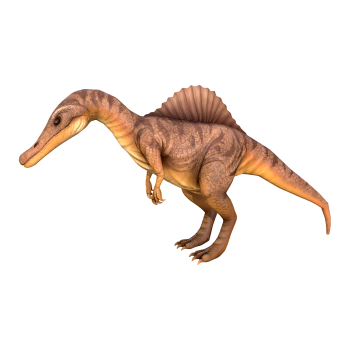
Siamese Dragon (3D animated model)
116 View

Golden human skull model
517 View

Female characters in bikini
548 View

Acorn squash
170 View
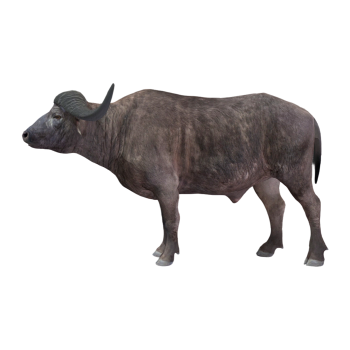
Buffalo (3D animated model)
186 View

Black Garbage Bag
470 View